


What Your Bernedoodle’s Coat Tells You About Their Health in PA’s Climate
- Jul 29, 2025
- 11 min read
Updated: Sep 5, 2025
Living in Pennsylvania means dealing with all sorts of weather, and your Bernedoodle's coat is right there with them. Think about it – that fluffy coat isn't just for looks; it's a big clue about what's going on with their health, especially with our changing seasons. We're going to look at how different coat types handle our climate, what a healthy coat looks like, and what problems you might see. Plus, we'll cover how to care for it, what to feed them, and why it all matters. Understanding your Bernedoodle's coat is a simple way to keep them happy and healthy here in PA.
Key Takeaways
Bernedoodle coat types (curly, wavy, straight) have different needs for protection and grooming in Pennsylvania's climate.
A Bernedoodle's coat condition, like dullness or extra shedding, can signal health issues such as poor nutrition or stress.
Seasonal changes in PA affect your dog's coat; watch for proper thickness in winter and thinning in summer to manage heat.
Common coat problems like skin irritation or matting often point to allergies, parasites, infections, or insufficient grooming.
Good grooming, a balanced diet with fatty acids and protein, and proper hydration are key to maintaining a healthy coat for your Bernedoodle in PA.
Understanding Bernedoodle Coat Types and Their Needs
Bernedoodles, bless their fluffy hearts, come with a variety of coat types, and knowing what you're dealing with is half the battle, especially here in Pennsylvania where the weather can really do a number on them. Each coat has its own needs, and understanding them means a happier, healthier pup.
The Curly Coat: Insulation and Moisture
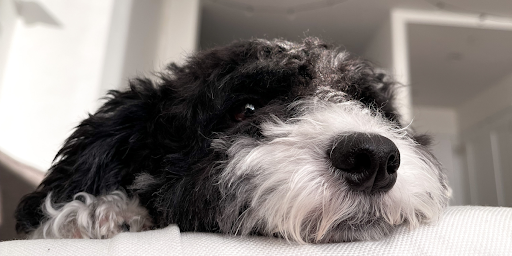
This is the coat most people picture when they think of a Bernedoodle, often resembling their Poodle parent. It's dense and can be quite tight, almost like a lamb's wool. This tight curl is fantastic for trapping air, which provides excellent insulation against the cold Pennsylvania winters. However, that same density can be a double-edged sword. It can hold moisture close to the skin, making them prone to matting if not cared for properly, and can also make them overheat in the summer if not managed. Think of it like a wool sweater – great for snow, not so great for a humid July day.
The Wavy Coat: Adaptability to Seasons
Somewhere between curly and straight, the wavy coat is often seen as the most adaptable. It's less dense than the curly coat, allowing for better airflow, which is a plus during those warmer months. While it still offers some insulation, it's not as robust as the curly coat. This means your wavy-coated Bernedoodle might need a little extra help staying warm when the temperatures really drop. Regular brushing is still key, as tangles can form, but it's generally a bit easier to manage than the tight curls.
The Straight Coat: Sensitivity to Elements
This coat type, more reminiscent of the Bernese Mountain Dog parent, is typically less dense and doesn't have the same insulating properties as the other two. Straight-coated Bernedoodles can be more sensitive to both extreme cold and intense heat. They might get chilled more easily in winter and can be more susceptible to sunburn on their skin during peak summer days if their coat is thin. Because it's less prone to matting, grooming might seem simpler, but you still need to keep an eye on their skin's exposure to the elements.
Coat Condition as a Health Indicator
Sometimes, your Bernedoodle's coat can be a real window into what's going on inside. It's not just about looks, you know? A healthy coat usually means a healthy dog, and when things aren't quite right, the fur often shows it first. Paying attention to these changes can help you catch potential health problems early.
Dullness and Brittleness: Nutritional Deficiencies
If your Bernedoodle's normally shiny coat starts looking dull, dry, or even brittle, it might be a sign they aren't getting all the nutrients they need. Think of it like a plant that isn't getting enough water or fertilizer – it just doesn't look as vibrant. This could mean their food isn't balanced, or maybe they're having trouble absorbing certain vitamins or minerals. Things like Omega-3 and Omega-6 fatty acids are super important for skin and coat health, and if those are low, you'll probably see it in the fur. It's also worth checking if they're getting enough protein, which is like the building block for hair.
Excessive Shedding: Stress or Underlying Issues
We all expect some shedding, especially during seasonal changes, but if your Bernedoodle is suddenly losing way more hair than usual, it's time to investigate. This can happen for a few reasons. Stress is a big one; maybe there's been a change in the household, a new routine, or even loud noises from fireworks. But it can also point to more serious things like allergies, hormonal imbalances, or even skin infections that are making the hair fall out. Keep an eye on whether the skin underneath looks red or irritated too.
Matting and Tangling: Grooming Neglect or Skin Problems
Bernedoodles, especially those with curlier or wavy coats, can get matted pretty easily if they aren't brushed regularly. Mats aren't just unsightly; they can be really uncomfortable for your dog. They pull on the skin, and can hide all sorts of problems like fleas, ticks, or skin infections. If you're brushing them often and they're still matting quickly, it might mean there's an issue with their skin or coat quality itself, or perhaps the mats are forming so fast that your regular grooming just isn't keeping up. Sometimes, a dog's skin might be producing more oil than usual, which can contribute to tangles.
Seasonal Coat Changes in Pennsylvania
Pennsylvania's weather can really put a dog's coat through its paces, and Bernedoodles are no exception. Their coats change throughout the year to help them cope with the temperature swings we see here.
Winter Coat Thickness and Protection
As the temperatures drop in Pennsylvania, your Bernedoodle's coat should naturally start to thicken. This is their body's way of building up insulation. You might notice the undercoat becoming denser, creating a barrier against the cold. A healthy winter coat should feel plush and provide good coverage, helping to keep your dog warm during those chilly walks. If your dog's coat seems thin or they're shivering more than usual, it could be a sign of an underlying health issue or a need for better nutrition. It's also a good time to be extra vigilant about grooming to prevent mats, which can trap moisture and reduce the coat's insulating properties.
Summer Coat Thinning and Heat Management
When summer rolls around, the opposite happens. Your Bernedoodle will shed its thicker winter coat, and the undercoat will become less dense. This thinning helps them stay cooler and prevents overheating. You'll want to keep an eye on their coat during the hotter months. Excessive shedding beyond the normal seasonal change could indicate stress or a health problem. Also, be mindful of sunburn, especially on lighter-colored or thinly coated areas. Regular brushing helps remove loose hair, allowing for better air circulation to the skin.
Spring and Fall Transitions: Coat Health Checks
Spring and fall are transitional periods where your Bernedoodle's coat is actively changing. This is the perfect time for thorough coat checks. Look for any signs of skin irritation, dryness, or dullness that might have developed over the previous season. Pay attention to how the coat is growing in – is it coming back thick and healthy after winter, or is it looking sparse? As the seasons change, so do the environmental factors like pollen and humidity, which can affect skin and coat health. Regular brushing during these times is key to managing the shedding and ensuring the new coat grows in well.
Common Coat Issues and Their Causes
Bernedoodles, bless their fluffy hearts, can sometimes run into coat troubles. It's not always just about shedding or tangles; sometimes, there's a deeper reason behind a dog's coat looking a bit off. Let's talk about what might be going on.
Skin Irritations and Allergies
Skin issues are pretty common and can really mess with a dog's coat. Think redness, itching, or even little bumps. These can be caused by a bunch of things, from environmental triggers like pollen or grass in our Pennsylvania yards to food sensitivities. Sometimes, it's a reaction to a new shampoo or even something in their bedding. If your Bernedoodle is constantly scratching or licking a particular spot, it's a good sign something's up with their skin.
Parasites Affecting Coat Quality
Fleas, ticks, and mites are the usual suspects here. Even if you don't see them crawling around, their bites can cause a lot of irritation, leading to scratching, hair loss, and a generally unhealthy-looking coat. Ticks are a real concern in PA, especially during warmer months, so regular checks are a must. Mites, like the kind that cause mange, can also wreak havoc, making the fur thin and patchy.
Fungal and Bacterial Infections
These can pop up too, often taking advantage of irritated or broken skin. Ringworm, for example, is a fungal infection that causes those classic circular patches of hair loss. Bacterial infections might show up as pustules or crusty areas. These usually need a vet's attention to clear up properly, and they can definitely make a dog's coat look pretty rough.
It's always a good idea to give your Bernedoodle a good once-over regularly. You're looking for anything out of the ordinary – dry patches, excessive redness, or any signs of critters. Early detection really helps when it comes to keeping their coat, and their overall health, in good shape.
Grooming Practices for a Healthy Coat
Keeping your Bernedoodle's coat in good shape is super important, especially with Pennsylvania's changing weather. It's not just about looks; a healthy coat protects them from the elements and can even tell you if something's up with their health. So, let's talk about how to keep that fluffy coat looking and feeling its best.
Brushing Techniques for Different Coats
Your Bernedoodle's coat type really dictates how you should brush it. For those with curlier coats, you'll want to use a slicker brush to get through the curls without pulling too much. Start from the ends and work your way up to the roots. If your dog has a wavy or straighter coat, a pin brush or a metal comb can work wonders. The key is to be gentle and consistent. Regular brushing prevents mats, which can be painful and lead to skin issues. Aim to brush your dog at least a few times a week, if not daily, depending on their coat's tendency to tangle.
Bathing and Conditioning Essentials
When it's bath time, use a dog-specific shampoo and conditioner. Human products can strip their coat of natural oils. For curly or wavy coats, a good conditioner is a must to help detangle and keep the coat soft. Rinse thoroughly – leftover soap can irritate their skin. How often you bathe depends on your dog's lifestyle, but generally, once every 4-6 weeks is a good starting point. Over-bathing can dry out their skin and coat.
Professional Grooming Considerations
While home grooming is great, sometimes a professional touch is needed. Groomers have specialized tools and know-how for tricky situations, like dealing with severe matting or giving a breed-appropriate haircut. They can also spot potential skin problems you might miss. If you're unsure about the best way to groom your Bernedoodle's specific coat type, or if you're finding it hard to manage at home, don't hesitate to book an appointment with a qualified groomer. They can also offer advice tailored to your dog.
Think of grooming as a bonding time. While it might seem like a chore, taking the time to brush and care for your dog's coat builds trust and allows you to check them over for any lumps, bumps, or skin irritations. It's a practical way to keep them healthy and happy.
Diet and Supplements for Optimal Coat Health
Feeding your Bernedoodle the right stuff can make a big difference in how their coat looks and feels. It's not just about filling their bowl; it's about giving them the building blocks for healthy fur. Think of it like this: you can't build a strong house with weak materials, right? Same goes for your dog's coat. Getting the diet dialed in means a shinier, less brittle coat, and fewer trips to the groomer for matting issues.
Essential Fatty Acids for Shine
Omega-3 and Omega-6 fatty acids are like the secret sauce for a glossy coat. They help keep the skin hydrated and reduce inflammation, which means less itchiness and a smoother, shinier appearance. You can find these in good quality dog foods, or you can add supplements like fish oil or flaxseed oil. Just be careful with the dosage; too much can cause stomach upset. A little goes a long way to make that coat really pop.
Protein and Vitamins for Growth
Your dog’s fur is mostly protein, so making sure they get enough is super important for growth and repair. Look for foods with high-quality animal protein sources listed first. Vitamins like A, E, and B vitamins also play a big role. Vitamin E is an antioxidant that helps protect skin cells, while B vitamins are key for hair growth. If your dog’s coat seems thin or is growing slowly, it might be worth checking their protein and vitamin intake.
Hydration's Role in Coat Vitality
It sounds simple, but water is incredibly important for a healthy coat. Dehydration can make a dog's skin dry and flaky, leading to a dull, brittle coat. Make sure your Bernedoodle always has access to fresh, clean water. Sometimes, dogs don't drink enough, especially if they're busy playing or if the water isn't appealing. You might try adding a little bit of low-sodium chicken broth to their water to encourage them to drink more, but always check with your vet first.
A well-nourished dog often shows it through their coat. Paying attention to what you feed them is just as important as regular brushing when it comes to keeping your Bernedoodle looking and feeling their best, especially with the changing weather here in Pennsylvania.
Keeping Your Bernedoodle Healthy in Pennsylvania
So, as you can see, your Bernedoodle's coat is more than just pretty fluff, especially here in Pennsylvania. Paying attention to how it looks and feels can give you early clues about their well-being. A shiny, healthy coat usually means a happy, healthy dog, but changes can signal something's up. Whether it's dryness, dullness, or shedding more than usual, these are things to watch for. Don't hesitate to chat with your vet if you notice anything concerning. They can help figure out if it's just the weather, a dietary issue, or something else that needs attention. Keeping an eye on that coat is just another way to make sure your furry friend stays comfortable and healthy through all of Pennsylvania's seasons.
A Bernedoodle can make every day brighter, and we at Stellie Doodles love connecting families with their ideal pup. Explore our past litters to get a feel for the dogs we’ve raised, then check out the details of our adoption process to see how you can bring home one of our puppies.
Contact us for any of your Bernedoodle questions or concerns.
Frequently Asked Questions
What are the different types of Bernedoodle coats?
Bernedoodles can have curly, wavy, or straight coats. Curly coats are great for insulation but need frequent brushing to prevent mats. Wavy coats are a good mix, offering some protection and being easier to manage. Straight coats might need more protection from the sun and cold.
How can I tell if my Bernedoodle's coat is healthy?
A shiny, healthy coat usually means your dog is well-fed and healthy. If your dog's coat looks dull, feels dry, or breaks easily, it could be a sign they aren't getting enough good food or might have a health problem.
Do Bernedoodles shed a lot?
Yes, Bernedoodles do shed, but it varies. Dogs with straighter coats tend to shed more than those with curlier or wavy coats. Excessive shedding, even for a shedding breed, can sometimes point to stress or sickness.
How does Pennsylvania's weather affect my Bernedoodle's coat?
In Pennsylvania's changing weather, you'll notice your Bernedoodle's coat changes too. They grow a thicker coat for winter to stay warm and shed some of it in the summer to keep cool. It's important to adjust grooming during these times.
What are some common problems with Bernedoodle coats?
Common coat issues include skin irritation from allergies or bug bites, getting fleas or ticks, and skin infections. These can make the coat look bad and feel itchy or sore for your dog.
How often should I brush and bathe my Bernedoodle?
Regular brushing is key! For curly coats, brush daily to avoid tangles. Wavy and straight coats need brushing a few times a week. Baths with good dog shampoo and conditioner help keep their skin and coat clean and healthy. Don't forget to check for mats, especially behind the ears and legs.


Comments