


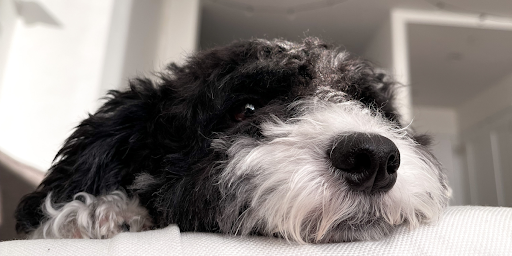
full grown standard bernedoodle
If you're thinking about bringing a full grown standard bernedoodle into your life, you're probably wondering what to expect. These dogs are a mix of Bernese Mountain Dog and Poodle, which means you get a big, friendly, and often fluffy companion. People love them for their smarts and their gentle personalities, but there’s a lot more to know before you make the leap. From their size and coat to their energy and care needs, there’s plenty to consider if you want to make sure a standard bernedoodle fits your lifestyle.
Key Takeaways
A full grown standard bernedoodle usually weighs between 65 and 90+ pounds and stands 23 to 29 inches tall.
Their coats can be wavy, curly, or straight, and come in lots of colors and patterns.
Standard bernedoodles are known for being loyal, smart, and good with families, but they need regular exercise and space to move.
Growth can continue until about two years old, with most reaching full height by 18 months and filling out after that.
Choosing the right bernedoodle means thinking about your home size, activity level, and finding a responsible breeder.
Understanding The Full Grown Standard Bernedoodle
What Is A Standard Bernedoodle?
A standard Bernedoodle is a crossbred dog combining the Bernese Mountain Dog with a standard Poodle. This mix aims to get the loyalty and mellow attitude of the Bernese and the clever, low-shedding nature of the Poodle.
Standard Bernedoodles typically have friendly personalities.
They often excel as family companions, therapy dogs, and emotional support animals.
Their appearance and temperament may shift depending on which parent breed they take after more strongly.
A Bernedoodle really brings together the best of both breeds—if you like big, goofy, and smart dogs, you may love sharing your home with one.
Key Traits Of The Breed
The standard Bernedoodle is famous for being easygoing, affectionate, and eager to please. Owners often notice these traits:
Forms strong bonds with family members
Good with kids and other pets
Learns quickly but may be stubborn as puppies
Needs regular exercise and mental activities
The coat can be wavy, straight, or curly, and colors tend to follow the Bernese's signature tricolor (black, white, and rust) but might also feature solid shades or mixes.
Understanding Bernedoodle Generations
Bernedoodles come in several generation types, which affects predictability in things like coat, size, and shedding.
Generation | Parental Cross | % Bernese | % Poodle |
|---|---|---|---|
F1 | Bernese Mountain Dog x Standard Poodle | 50 | 50 |
F1b | F1 Bernedoodle x Standard Poodle | 25 | 75 |
F2 | F1 Bernedoodle x F1 Bernedoodle | 50 | 50 |
F1b Reverse | F1 Bernedoodle x Bernese Mountain Dog | 75 | 25 |
F1s are first-generation; good balance of both breeds
F1bs have more Poodle traits, often with curlier hair and less shedding
F2s come from two F1 parents, leading to more variety in look and temperament
Reverse F1bs push the genetics closer to the Bernese
If shedding and allergies are worries, an F1b might be a better fit. If you really like the look and personality of a Bernese, a reverse F1b is worth considering, but expect more shedding.
The generation you choose can affect everything from coat type to how much energy the dog has day-to-day.
Full Grown Standard Bernedoodle Size Expectations
If you’re looking at getting a full grown standard Bernedoodle, size is one of the things you’ll want to get clear on early. These dogs aren’t small fuzzballs—they’re hefty, strong companions. Let’s work through what you can expect in terms of numbers and the factors behind their final size.
Typical Weight And Height Ranges
Standard Bernedoodles can get pretty big compared to their mini or medium relatives. Here’s a simple table you can count on for averages:
Size | Weight (lbs) | Height (inches, at shoulder) |
|---|---|---|
Standard | 65–90+ | 23–29 |
It’s normal to see some that run heavier or taller, but these ranges cover most standards. Sometimes, you’ll find one tipping the scales at over 100 pounds if they take heavily after the Bernese Mountain Dog side. Remember, weight will also fluctuate a bit depending on bone structure and muscle.
Factors Influencing Final Size
No two Bernedoodles will be identical when they’re grown up. A few things really influence how big they’ll get:
Genetics: The size of the parents (especially the Poodle) plays a gigantic role. Multi-gen combinations (like F1b, F2) can shift the range up or down.
Nutrition: Overfeeding or poor food can impact healthy growth. It’s not just about calories—quality matters.
Exercise: Dogs that are super active often stay a bit leaner but will also develop more muscle.
Health: Chronic health issues in puppyhood can stunt growth, so regular checkups are worth it.
Growth speed isn’t just about food in the bowl—it’s a mix of breed lines, daily routine, and even early-life stress.
When Do Bernedoodles Stop Growing?
Don’t count on that puppy face forever—standard Bernedoodles hit their full height earlier than their adult weight. Usually, they reach their maximum height around 12 to 18 months, but they keep filling out and putting on muscle until they’re well over two years old.
Height maxes out: 1 year to 1.5 years
Full adult weight and muscle: 2 to 3 years
Bigger individuals may take longer to fill out completely
Patience is key here. Even after they look "grown up," your Bernedoodle might quietly keep bulking up for months or even another year. And, honestly, you’ll probably wake up one day and realize they’re much bigger than you expected—especially when they hog the couch!
Physical Characteristics Of A Full Grown Standard Bernedoodle
A full grown standard Bernedoodle stands out for its sturdy build, varied coat, and the unique mix of its parent breeds. These dogs often turn heads at the park, not just for their size, but also for the range of colors and textures they can show off. Each one seems to have its own look, thanks to the unpredictable mix of Bernese Mountain Dog and Poodle genes.
Coat Types And Colors
The coat is probably one of the first things people notice about a standard Bernedoodle. It can be:
Curly (more like a Poodle)
Wavy (somewhere in between)
Straight (closer to a Bernese Mountain Dog)
Expect coats to be thick and pretty low-shedding overall, especially with more Poodle in the mix. Grooming needs vary, but nearly all standard Bernedoodles need regular brushing to avoid tangles.
When it comes to color, these dogs are a total wild card. Common colors include:
Classic tri-color (black, white, and rust)
Bi-color, like black and white or brown and white
Solid black or other rare mixes
Coat Type | Typical Shedding | Common Color Patterns |
|---|---|---|
Curly | Low | Bi, tri, solid |
Wavy | Low-Medium | Tri-color most common |
Straight | Medium | Tri, bi, occasional solid |
If you're hoping for a specific coat color or look, you’ll need a bit of luck—genetics do their own thing with Bernedoodles.
Build And Stature
Full grown standard Bernedoodles are solid and well-muscled. They often look like sturdy, big teddy bears.
Most adult standard Bernedoodles weigh between 65 and 100+ pounds and stand around 23 to 29 inches tall at the shoulder.
Some key build traits to expect:
Broad chest and strong legs, often more Bernese-like
Proportional head and muzzle; not overly long
Thick tail, often feathered
They tend to move with an easy, relaxed stride, showing off their strength without looking stiff.
When a Bernedoodle lies down and stretches out across your floor, you realize just how big they really are—these dogs need space, both indoors and out.
Temperament And Personality
Loyalty And Affection
Full grown standard Bernedoodles are known for being incredibly devoted to their families. They tend to form really strong bonds, often following their favorite people around the house and wanting to be involved in whatever is going on. This breed really thrives on companionship, so if you're looking for a dog that will be your shadow, a Standard Bernedoodle might be a great fit. They're not typically the type of dog that's happy just hanging out by themselves for long periods; they genuinely enjoy being part of the family unit. This loyalty means they can be a bit sensitive if left alone too much, so keep that in mind.
Intelligence And Trainability
Thanks to their Poodle heritage, these dogs are quite smart. They pick things up pretty quickly, which makes training generally a positive experience. They really do want to please you, and that eagerness makes a big difference when you're working on commands or new tricks. Because they're so intelligent, they also benefit from mental stimulation. Just giving them basic obedience training isn't always enough; they enjoy puzzle toys and learning new things to keep their minds engaged. This intelligence, combined with their desire to please, means they can excel in various activities if you're interested in things like agility or advanced obedience.
Gentle Nature With Families
Standard Bernedoodles often have a wonderfully gentle disposition, especially with children. Their calm demeanor, inherited from the Bernese Mountain Dog side, makes them patient companions. While they are large dogs and can be boisterous when playing, they usually have a good sense of their own size and can be quite careful around smaller family members. It's still important to supervise interactions between any large dog and young children, of course, but their natural inclination is to be kind and loving. They tend to get along well with other pets too, especially if they're introduced properly and socialized from a young age. They're not usually aggressive and prefer to avoid conflict.
Care And Lifestyle Considerations
Taking care of a full-grown standard Bernedoodle involves a few key things to keep them happy and healthy. Because they're a larger breed, their needs are a bit different than their smaller cousins.
Exercise Needs For Larger Dogs
Standard Bernedoodles have a good amount of energy, and they really need to burn it off. Daily, vigorous exercise is a must for these dogs. Think long walks, maybe a good hike on the weekend, or even some swimming if you have access to safe water. Just a quick potty break won't cut it for these active pups. Without enough physical activity, they can get bored, and a bored Bernedoodle might start finding their own entertainment, which usually isn't what you want. Keeping them moving also helps manage their weight, which is important for their joints.
Space Requirements For Standard Bernedoodles
While Bernedoodles are known for being adaptable, a standard size definitely benefits from more room. They aren't exactly lap dogs, and when they stretch out, they take up a good chunk of space. A house with a yard is ideal, but even in an apartment, it can work if you're committed to providing plenty of outdoor exercise and mental stimulation. They just need a place to comfortably move around without feeling cramped.
Nutrition And Health For Growth
Feeding a standard Bernedoodle right is super important, especially when they're still growing into their big bodies. They need good quality food that's appropriate for large breeds. It's easy to overfeed them, which can lead to joint problems down the line, so sticking to recommended portion sizes is key. Many owners also find that adding joint supplements, like glucosamine, can be really helpful for supporting their hips and elbows as they get older. Regular vet check-ups are also a good idea to catch any potential health issues early on.
Keeping your standard Bernedoodle at a healthy weight is one of the best things you can do for their long-term health. It puts less strain on their joints and can help prevent a host of other problems.
Here's a quick look at some things to consider:
Diet: High-quality kibble formulated for large breeds is usually the way to go. Talk to your vet about the best options.
Supplements: Consider joint support supplements, especially as they mature.
Weight Management: Monitor their weight closely and adjust food intake as needed.
Dental Care: Regular teeth brushing and dental chews help keep their mouth healthy.
Grooming: Their coats need regular brushing to prevent mats, and professional grooming every couple of months is often recommended.
Choosing A Full Grown Standard Bernedoodle
So, you've decided a Standard Bernedoodle might be the perfect furry addition to your life. That's awesome! These big, lovable dogs are quite something. But before you bring one home, it's smart to think a few things through. It's not just about picking the cutest puppy; it's about making sure you and the dog are a good match for the long haul.
Matching Size To Your Living Space
Standard Bernedoodles are, well, standardly large. We're talking about dogs that can easily tip the scales between 70 and 115 pounds, and stand about 23 to 29 inches tall at the shoulder. That's a significant presence in your home. If you live in a cozy apartment or a small townhouse, a Standard Bernedoodle might feel a bit cramped. They need room to stretch out, play, and just generally exist without constantly bumping into furniture. A home with a decent-sized yard is usually ideal, giving them space to romp and get some energy out. It doesn't have to be a football field, but more space is generally better for these bigger pups.
Apartment Living: Possible, but requires a serious commitment to daily, long walks and park visits. Expect your dog to be a bit restless if they don't get enough outdoor time.
Suburban Homes: Often a good fit, especially with a fenced yard. This allows for spontaneous play sessions and a good amount of freedom.
Rural Properties: Excellent! Plenty of space for them to explore and burn energy naturally.
Remember, even though they're big, they often love to cuddle. So, while they need space to move, they'll also want to be right by your side, potentially taking up a good chunk of your couch!
Considering Activity Levels
These dogs have energy, no doubt about it. They're a mix of the Bernese Mountain Dog, known for being sturdy workers, and the Poodle, which is a highly active breed. A full-grown Standard Bernedoodle isn't a couch potato. They need regular exercise to stay happy and healthy, and to prevent them from getting bored, which can lead to mischief.
Daily Walks: Aim for at least one to two good walks a day, each lasting 30-60 minutes. These aren't just potty breaks; they're opportunities for sniffing, exploring, and getting their heart rate up.
Playtime: Fetch, tug-of-war, or just chasing each other around the yard can make a big difference. Puzzle toys are also great for mental stimulation.
Mental Challenges: Training sessions, learning new tricks, or even scent games can tire them out just as much as physical activity.
If you're someone who enjoys being active outdoors, hiking, or just spending a lot of time outside, a Standard Bernedoodle will likely be a fantastic companion. If your idea of a perfect weekend is binge-watching a series indoors, you might want to reconsider or be prepared to significantly adjust your routine.
Finding A Reputable Breeder
This is probably the most important step. Not all breeders are created equal, and finding a good one makes a world of difference. A responsible breeder cares deeply about the health and temperament of their dogs. They'll be transparent about their breeding practices, health testing, and the lineage of their dogs.
Here’s what to look for:
Health Clearances: Ask about health testing for both parent breeds. This includes checking for issues common in Bernese Mountain Dogs (like hip dysplasia, certain cancers) and Poodles (like eye conditions, hip dysplasia).
Transparency: A good breeder will welcome your questions and be happy to show you where the dogs are kept. They should also be able to provide references or testimonials from previous buyers.
Temperament Focus: They should be able to discuss the temperaments of the parent dogs and how they select pairings to produce well-adjusted puppies.
Support: They should offer ongoing support and be available to answer your questions even after you take your puppy home.
Avoid breeders who seem pushy, won't let you see the parents or the living conditions, or can't provide health information. Doing your homework here means a healthier, happier dog and a much smoother experience for everyone involved.
Bringing Home Your Full Grown Standard Bernedoodle
So, you're thinking about adding a full-grown Standard Bernedoodle to your family? It's a big decision, for sure. These dogs are known for being smart, loyal, and just plain good company. Remember, they can get pretty big, so make sure you've got the space and time for walks and play. Whether you're looking for a hiking buddy or a couch companion, a Standard Bernedoodle can be a fantastic fit if you're ready for the commitment. They really do bring a lot of joy and love into a home, and with the right care, they'll be a cherished part of your life for years to come.
Frequently Asked Questions
What exactly is a Standard Bernedoodle?
A Standard Bernedoodle is a mix of two awesome dog breeds: the Bernese Mountain Dog and the Poodle. Sometimes, it can be a mix of a Poodle and a Bernedoodle, or a Bernese and a Bernedoodle. No matter the exact mix, they usually get cool traits from both parent dogs. People love them because they're smart, loyal, and usually very gentle.
How big do Standard Bernedoodles get when they're all grown up?
Fully grown Standard Bernedoodles can vary quite a bit in size. They typically weigh between 45 and 115 pounds and stand about 23 to 29 inches tall. This range happens because Poodles come in different sizes, and that affects how big the Bernedoodle turns out. Their Bernese Mountain Dog side also plays a big role in their final size.
When do Bernedoodles stop growing?
Most Bernedoodles reach their full height somewhere between 12 and 18 months old. However, they might keep filling out and building muscle until they're about 2 or 3 years old. Things like what they eat, how much they exercise, their family genes, and their general health can all influence exactly when they finish growing.
What kind of coat do Standard Bernedoodles have?
Standard Bernedoodles can have different types of coats. Many have wavy fur, which is quite popular. But some can also have curly coats, similar to a Poodle, or even straight hair. The color of their coat can also vary a lot, often showing patches of black, white, and brown, like their Bernese Mountain Dog parents.
Are Standard Bernedoodles good with families and kids?
Yes, Standard Bernedoodles are often called 'gentle giants' for a reason! They are known for being very loyal and affectionate, and they usually have a calm and patient nature. This makes them fantastic family pets, and they tend to be great with children. Their intelligence also means they are usually eager to please and easy to train.
What kind of exercise do Standard Bernedoodles need?
Because they are larger dogs, Standard Bernedoodles need a good amount of exercise to stay happy and healthy. Daily walks are a must, and they also enjoy playtime in a safe area. Keeping their smart minds busy with training or puzzle toys is important too. They do best in homes where they have enough space to move around comfortably.


Comments