


How Coat Type Is Inherited in Bernedoodles (And Why It Matters for Allergies)
Wondering about your Bernedoodle's coat? It's a bit of a puzzle, really. You've got the Bernese Mountain Dog and the Poodle mixing things up, and it all affects how your dog looks, sheds, and even how well they work for people with allergies. This article breaks down how coat type is inherited in Bernedoodles and why it's super important to know, especially if allergies are a concern in your home. We'll look at the different generations, coat textures, and what it all means for you and your furry friend.
Key Takeaways
The generation of your Bernedoodle (F1, F1B, Multigen) plays a big role in how predictable their coat type and shedding will be, with F1Bs and Multigens generally being better for allergy sufferers.
Bernedoodles can have wavy/fleece, curly/wool, or straight coats, each with different grooming needs and allergy-friendliness. Curly and wavy coats tend to trap allergens better.
Allergies are triggered by dander, saliva, and oils, not just hair. Coats that trap these allergens, like curly or wavy ones, are often more suitable for people with allergies.
The "furnishings gene" (RSPO2) from the Poodle side is key for the classic "doodle look" and low-shedding coats; unfurnished dogs shed more and aren't ideal for allergy-sensitive homes.
Understanding coat genetics, including the curl gene (KRT71) and furnishings gene, helps predict shedding and allergy potential, making it vital for choosing the right Bernedoodle for your family.
Understanding Bernedoodle Coat Genetics
The Role of Parent Breeds in Coat Inheritance
So, you're curious about how your Bernedoodle ends up with that amazing coat, right? It all comes down to the parents. You've got the Bernese Mountain Dog, known for its beautiful, fluffy, tri-color coat and a generally calm, loyal nature. Then there's the Poodle, famous for its intelligence, its variety of sizes, and, of course, its curly, low-shedding coat. When you mix these two breeds, you get a whole spectrum of possibilities for your Bernedoodle's fur.
The Bernese Mountain Dog brings the potential for that iconic tri-color pattern and a softer texture, while the Poodle contributes genes that can lead to curlier coats and less shedding. It's a genetic lottery, and each puppy gets a unique combination from its mom and dad.
Key Genes Influencing Coat Type
When we talk about dog coats, it's not just random. There are specific genes at play that decide if your Bernedoodle will have a wavy, curly, or straight coat, and how much it might shed. Two genes are particularly important here: RSPO2 and KRT71.
RSPO2 Gene: This gene is often called the "furnishings" gene. It's responsible for that classic "doodle" look – the facial hair, eyebrows, and beard that make them so distinctive. If a dog inherits two copies of a specific version of this gene (genotype FF), they'll likely have furnishings. If they inherit two copies of another version (genotype ff), they might not have much facial hair and could shed more, similar to a Bernese.
KRT71 Gene: This one is more about the curl. A particular variation of the KRT71 gene, when inherited from both parents, strongly influences whether the coat will be curly or wavy. If a dog inherits two copies of the 'curl' variant, you're more likely to see tight curls. If they get one 'curl' and one 'non-curl' variant, or two 'non-curl' variants, the coat might be wavier or even straight.
Furnishings Gene and the "Doodle" Look
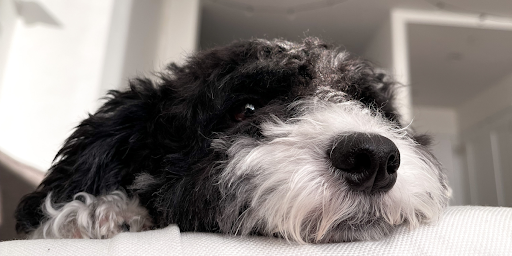
That adorable scruffy face, the beard, the eyebrows – that's all thanks to the furnishings gene, primarily the RSPO2 gene. Think of it as the gene that gives your Bernedoodle its signature "doodle" charm. Puppies inherit one copy of this gene from each parent. The combination they get determines how much of that characteristic facial hair they'll have.
FF Genotype: Usually results in full furnishings – that classic bearded, bushy-browed look.
Ff Genotype: Typically results in furnishings, though sometimes it might be a bit less pronounced than with FF.
ff Genotype: This is where you might see a lack of furnishings. The puppy might have a smoother face with less hair, and this can also correlate with a coat that sheds more, leaning more towards the Bernese Mountain Dog side.
Understanding these genetic markers helps breeders predict coat types and shedding levels, which is super important for families looking for a dog that fits their lifestyle, especially if allergies are a concern. It's not just about looks; it's about function too.
Bernedoodle Generations and Coat Predictability
When you're looking at Bernedoodles, you'll hear a lot about "generations." This isn't just some fancy breeder term; it actually tells you a lot about what to expect from your puppy, especially when it comes to their coat and how much they might shed. Think of it like a family tree for your dog, showing how much Poodle and how much Bernese Mountain Dog is in there, and how far back their purebred ancestors are.
F1 Bernedoodles: The Initial Cross
This is your first-generation Bernedoodle, a 50/50 mix of a purebred Bernese Mountain Dog and a purebred Poodle. Because it's a direct cross, the coat can be a bit of a lottery. You might get a wavy coat, a curly one, or even something straighter. Shedding levels can also vary quite a bit. These dogs are often great for families with mild allergies, but it's not a guarantee.
F1B Bernedoodles: Increased Poodle Influence
An F1B Bernedoodle is the result of breeding an F1 Bernedoodle back to a Poodle. This shifts the genetic makeup to about 75% Poodle and 25% Bernese Mountain Dog. What does this mean for the coat? Usually, it means a curlier, more consistently "furnished" coat (that's the poodle-like facial hair) and significantly less shedding. These are often a go-to for families dealing with moderate to severe allergies.
Multigenerational Bernedoodles: Refined Traits
Multigenerational, or "multigen," Bernedoodles are bred from two Bernedoodles, often after several generations of careful selection. Breeders can really fine-tune traits here. This means you're more likely to get a predictable coat texture – whether it's wavy or curly – and very low shedding. This generation is often the most sought-after for allergy sufferers because breeders can focus on those specific coat qualities.
Understanding F2 and Other Generations
F2 Bernedoodles are the offspring of two F1 Bernedoodles. This is where things can get really unpredictable again. You might see a wider range of coat types and shedding levels, sometimes even a return of the more Bernese-like coat that sheds more. Other generations, like F1BB (F1B bred back to a Poodle) or reverse F1Bs (more Bernese influence), exist too, each with its own set of coat expectations. It really comes down to the specific percentages of Poodle and Bernese genetics.
The generation label isn't just a marketing buzzword; it's a key indicator of coat predictability. While F1s offer hybrid vigor, F1Bs and multigens are often bred with allergy-friendliness and consistent coats as a primary goal. Always discuss the specific genetic makeup and expected coat type with your breeder.
Exploring Bernedoodle Coat Textures
So, you've got a Bernedoodle, or you're thinking about getting one. One of the first things people notice, besides their adorable faces, is their coat. It's not just about looks, though; the texture of your Bernedoodle's fur plays a big role in how much they shed and how they might affect allergies. Let's break down the different types you might see.
The Wavy or Fleece Coat
This is probably the most classic Bernedoodle look. Think soft, flowing waves that feel really nice to pet. It's like a happy medium between the Bernese Mountain Dog's fur and the Poodle's curls. These coats usually don't shed too much, which is a big plus for many families. They're generally easier to manage than the super curly coats, but you still need to stay on top of brushing to prevent tangles, especially around their ears and legs.
Appearance: Gentle, S-shaped waves, soft and plush.
Shedding: Low to moderate.
Grooming: Brush every other day, professional grooming every 6-8 weeks.
Allergy Friendliness: Good for mild to moderate allergies.
This coat type is often seen as the sweet spot, offering a good balance of the parent breeds' traits and making it a popular choice for first-time doodle owners.
The Curly or Wool Coat
If you're looking for the lowest shedding option, the curly coat is likely your best bet. This texture is very similar to a Poodle's coat, with tight curls or ringlets that really trap loose hair. Because of this, they are often the most recommended for people with significant allergy concerns. However, this tight curl means they can mat up really quickly if you don't brush them every single day. Seriously, daily brushing is a must, and they'll need regular trips to the groomer, usually every 4 to 6 weeks, to keep things tidy and prevent painful knots.
Appearance: Tight, springy curls or ringlets.
Shedding: Very low, often minimal.
Grooming: Daily brushing is non-negotiable; professional grooming every 4-6 weeks.
Allergy Friendliness: Best option for allergy sufferers.
The Straight Coat: A Less Common Option
Sometimes, a Bernedoodle puppy will end up with a coat that's pretty straight, much like their Bernese Mountain Dog parent. This coat is usually softer than a purebred Bernese but lacks the waves or curls of the other types. While it might seem like less work because it doesn't tangle as easily, it also means they tend to shed more. For allergy sufferers, this type is generally the least suitable because it doesn't trap dander and loose hair as effectively. You'll still need to brush them regularly, maybe 2-3 times a week, to manage shedding and keep their undercoat healthy.
How Coat Type Impacts Allergies
When it comes to allergies, the Bernedoodle's coat isn't just about looks; it plays a pretty big role in how much you might sneeze. It's not just the fur itself, but what gets trapped in it. Think of it like a filter, or sometimes, not much of a filter at all.
Allergens: Dander, Saliva, and Skin Oils
Most people think shedding is the main allergy trigger, but it's actually the proteins found in a dog's dander (tiny flakes of dead skin), saliva, and even their skin oils. These microscopic bits float around in the air and can cause a reaction in sensitive individuals. Dogs shed these allergens constantly, no matter their coat type. The difference lies in how well the coat holds onto them.
How Coat Texture Traps Allergens
Different coat textures interact with allergens in unique ways. A coat that's dense and curly, for instance, tends to trap dander and saliva more effectively, preventing them from becoming airborne. It's like a built-in containment system. On the flip side, a straighter, coarser coat might not hold onto these particles as well, allowing them to escape into your living space more easily.
Why Curly and Wavy Coats Are More Allergy-Friendly
Generally, the curlier or wavier the coat, the better it is for allergy sufferers. These coats, often seen in F1B and Multigen Bernedoodles, have a tighter structure. This structure acts like a net, catching dander and saliva before they can spread. While no dog is completely hypoallergenic, these coat types significantly reduce the amount of airborne allergens. It means less sneezing and itchy eyes for many people.
Curly/Wool Coats: These are typically the best bet. Their tight curls trap allergens very effectively. Daily brushing is a must to prevent matting, but the payoff is minimal airborne dander.
Wavy/Fleece Coats: These offer a good balance. They still trap a decent amount of allergens and are much better than straight coats. Regular brushing helps keep them effective.
Straight Coats: These coats shed more and don't trap allergens as well. They are the least ideal option for those with significant allergies.
The Unpredictable Nature of Straight Coats for Allergy Sufferers
Straight-coated Bernedoodles, which resemble the Bernese Mountain Dog parent more closely, are often the least suitable for allergy-prone households. Their coat texture doesn't hold onto dander and saliva as effectively as the curlier or wavy types. This means more allergens can become airborne, potentially leading to a stronger reaction. If allergies are a major concern, a straight-coated Bernedoodle is usually not the recommended choice.
It's important to remember that even dogs with the most allergy-friendly coats can still cause reactions. Individual sensitivities vary greatly, and spending time with a specific dog before committing is always a smart move.
Grooming Requirements Based on Coat Type
Okay, so you've got your Bernedoodle, and now you're wondering how to keep that amazing coat looking good and feeling healthy. It’s not just about looks, though; the right grooming routine is super important for preventing painful mats and keeping your dog comfortable. Different coat types really do need different levels of attention, so let's break it down.
Daily Brushing for Curly Coats
If your Bernedoodle has that tight, curly coat, think of it like a Poodle's – it needs daily attention. Seriously, don't skip this. Those curls can tangle up fast, and once they mat, it's a real pain to get out, often requiring shaving. You'll want to use a slicker brush and a metal comb to get down to the skin and make sure there are no tangles hiding. A good detangling spray can be your best friend here, especially before you start brushing.
Brush daily: This is non-negotiable for curly coats.
Use a slicker brush and metal comb: Get through those curls to the skin.
Consider a detangling spray: Helps loosen knots before brushing.
Professional grooming: Aim for every 4-6 weeks to keep the coat manageable.
Curly coats are the most hypoallergenic but also the most demanding when it comes to brushing. If you miss a day, you might pay for it later with mats.
Regular Maintenance for Wavy Coats
Most Bernedoodles end up with a wavy or fleece-like coat, which is pretty awesome. It's a bit easier to manage than the super curly type, but still needs consistent care. Brushing every other day is usually a good plan. Pay extra attention to areas where mats love to form, like behind the ears, under the legs, and on their chest and tail feathering. These dogs often need a professional groom every 6-8 weeks.
Brush every other day: Keep tangles at bay.
Focus on friction areas: Ears, armpits, chest, and tail.
Professional grooming: Schedule appointments every 6-8 weeks.
Watch for debris: Wavy coats can catch leaves and twigs easily.
Grooming Needs for Straight Coats
This coat type is less common in Bernedoodles, especially those bred for allergy-friendliness, as it tends to shed more. It's more like the Bernese Mountain Dog's coat – straighter and flatter. While it might seem easier because it doesn't tangle as much as curly or wavy coats, you still need to brush it regularly, maybe 2-3 times a week. This helps manage the undercoat and any shedding. These dogs might need professional grooming less often, perhaps every 8-10 weeks, depending on how quickly they grow.
Brush 2-3 times per week: Helps manage shedding and undercoat.
Use an undercoat rake: Good for straight, dense coats.
Less frequent professional grooming: Typically every 8-10 weeks.
Be aware of shedding: This coat type is not ideal for severe allergy sufferers.
Professional Grooming Schedules
No matter the coat type, professional grooming is a good idea. It's not just about haircuts; groomers can spot skin issues, check ears, trim nails, and give your dog a thorough bath and blow-dry that’s hard to replicate at home. For curly coats, every 4-6 weeks is standard. Wavy coats can usually go 6-8 weeks, and straight coats might stretch to 8-10 weeks. Remember, these are just guidelines. Your dog's lifestyle, coat condition, and your own grooming skills will play a big role in how often you need to visit the groomer.
Color Genetics in Bernedoodles
Inheriting Tri-Color Patterns
The classic tri-color coat – that striking combination of black, white, and rust or brown – is a hallmark of the Bernedoodle, directly inherited from the Bernese Mountain Dog parent. It's probably the most sought-after look. While this pattern can pop up in any generation, it tends to be a bit less predictable the further you get from the initial Bernese cross. Think of it like a family recipe; the first few times you make it, it's perfect, but after a few variations, some ingredients might get a little mixed up.
The Influence of Poodle Colors
Now, the Poodle side brings its own palette to the mix. Poodles come in a wide array of colors, and these can definitely influence your Bernedoodle's final look. You might see solid blacks, creams, apricots, and even silvers or blues. Sometimes, a Poodle's color gene can cause a dog's coat to lighten or
Wrapping It Up: Your Bernedoodle's Coat and Your Home
So, figuring out your Bernedoodle's coat type really comes down to a few key things. It's not just about looks, though, is it? Understanding if your dog will have a wavy, curly, or straight coat helps you know what kind of grooming they'll need – and trust me, those curly coats can get matted fast if you're not careful. Plus, for anyone with sniffles or sneezes, the generation of your dog, especially F1b and Multigens, plays a big part in how allergy-friendly they might be. Remember, no dog is totally hypoallergenic, but knowing the coat genetics can make a huge difference in finding the right furry friend for your family. It’s all about making sure both you and your dog are happy and healthy.
Frequently Asked Questions
What makes a Bernedoodle good for people with allergies?
It's not the dog's hair itself that causes allergies, but tiny flakes of skin called dander, plus saliva and oils. Bernedoodles with curly or wavy coats, especially those with a higher percentage of Poodle genetics (like F1B or Multigen), tend to trap these allergens close to the skin instead of letting them float around. This means they often shed less and are a better fit for allergy sufferers, though no dog is completely allergen-free.
What's the difference between F1, F1B, and Multigen Bernedoodles?
An F1 Bernedoodle is a first-generation mix, with one Bernese Mountain Dog parent and one Poodle parent (50/50). An F1B is an F1 Bernedoodle bred back to a Poodle, making it about 75% Poodle and 25% Bernese. Multigenerational (Multigen) Bernedoodles have had several generations of breeding within the Bernedoodle line. F1s can have varied coats, F1Bs are more likely to have curly, low-shedding coats, and Multigens are often bred for the most predictable coat types and allergy-friendliness.
How much grooming does a Bernedoodle need?
Grooming needs really depend on the coat type! Curly coats are the most work, needing daily brushing to prevent tangles and professional grooming every 4-6 weeks. Wavy coats need brushing every couple of days and grooming every 6-8 weeks. Straight coats need less frequent brushing, about 2-3 times a week, and professional grooming every 8-12 weeks. Even low-shedding dogs need regular grooming to stay healthy and mat-free.
Can Bernedoodle coat colors change as they get older?
Yes, they certainly can! Many Bernedoodles inherit a gene from their Poodle parent that causes their coat color to lighten or 'fade' over their first couple of years. A puppy that's black might turn a silvery gray or a deep blue, and red or chocolate colors can become lighter, like apricot or cream. It's a normal genetic thing and doesn't affect their health.
What does 'furnished' mean for a Bernedoodle?
'Furnished' refers to a specific gene that gives a Bernedoodle the classic fluffy face with eyebrows and a beard – that adorable 'teddy bear' look. Dogs with this gene tend to have lower shedding coats and are more allergy-friendly. 'Unfurnished' dogs lack this gene, often have smoother coats, shed more, and don't have the signature Doodle facial fluff.
Are straight-coated Bernedoodles more likely to shed?
Generally, yes. Straight coats, which are more common in F1 Bernedoodles or those bred to resemble the Bernese Mountain Dog more closely, tend to shed more than the wavy or curly coats. While shedding isn't the main cause of allergies, more shedding means more dander and saliva can be released into the environment, potentially affecting allergy sufferers more.


Comments